What does it mean to raise a child who’s truly ready for the world? It’s a question that pops up for most parents at some point, especially in today’s hyper-connected age. Academic readiness is one thing, but being globally aware, culturally sensitive and linguistically agile? That’s a whole different skill set, and it starts much earlier than most of us think.
At Lancers Early Years, the focus on nurturing global citizens doesn’t begin in middle school or high school. It starts in preschool, when children are most curious and their minds are wide open to new ideas, sounds, and ways of thinking. Through thoughtfully integrated language and cultural programs, early learners are exposed to the kind of diverse experiences that shape not only their education, but also their worldview.
Why Early Exposure to Language Matters in Pre Primary Education
There’s a reason many educators advocate for early bilingual or multilingual learning. Children between the ages of 2 and 7 are in what’s called the critical period for language acquisition. Their brains are wired to absorb new languages naturally, much like how they learn to walk or pick up social cues.
So how does this help?
It enhances cognitive flexibility, helping children solve problems in creative ways.
Multilingual children often develop better memory retention and listening skills.
It improves overall academic achievement over time, especially in literacy.
Interestingly, studies from institutions like the Centre for the Developing Child at Harvard University have also shown that early language experiences can significantly impact a child’s long-term learning and behaviour. So, it’s not just about speaking another language it’s about building a stronger foundation for everything else.
How Cultural Learning Builds Empathy and Awareness in Early Years Education
Language is just one side of the coin. Culture is the other. At Lancers Early Years, cultural learning isn’t treated as a one-off event or something limited to annual celebrations. Instead, it’s woven into daily learning experiences through stories, music, art, games, and interactions that come from around the globe.
This kind of exposure does something pretty powerful. It teaches children to understand perspectives outside their own. Whether they’re learning about Lunar New Year through crafts or tasting traditional African bread during a class project, they’re starting to connect with the wider world in a very real, very human way.
What is a Global Curriculum and How it Works in Pre School Education
When we hear the word innovation, we often think of technology. And while tech does play a role, at Lancers Early Years, innovation also means rethinking how lessons are taught and how children interact with ideas.
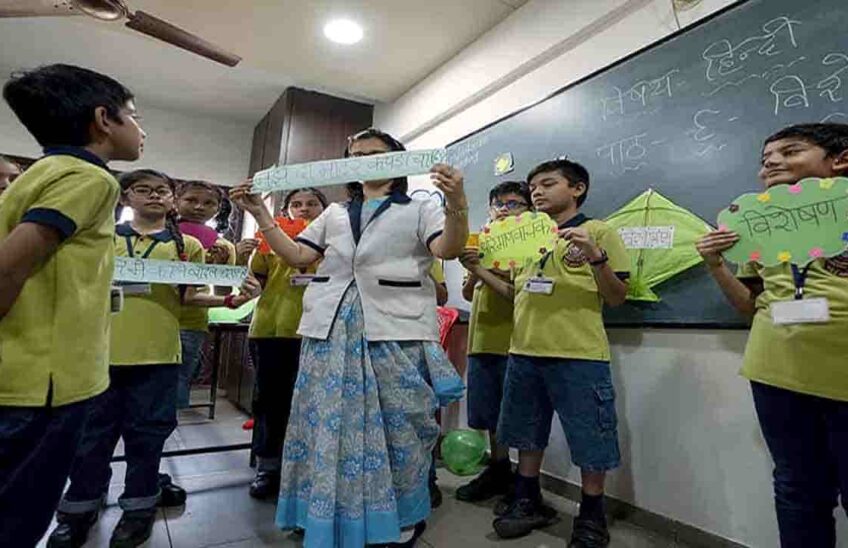
Take storytelling, for example. It’s not just about reading a book aloud. Children might act out scenes using props, draw their own characters, or create a group story where each child adds a line. This multi-sensory approach taps into different learning styles and helps children retain information better.
Another example is the way science and math are introduced. Instead of memorising numbers, children might count seeds while planting or measure ingredients for a simple cooking activity. These hands-on methods help kids connect abstract ideas with real-life experiences.
What’s especially interesting is how this model prepares children not just for school, but for life. It nurtures resilience, teamwork, and confidence. All of this starts in those early years when the brain is at its most active and adaptable.
Language as a Bridge, Not a Barrier
When children learn to speak more than one language, they gain the ability to connect with more people. And in a country as diverse as India, where multiple languages are spoken across states and cities, this ability becomes even more practical.
In a classroom setting, something as simple as greeting a classmate in their mother tongue can turn into a beautiful moment of inclusion. That’s why many pre primary schools such as Dumas Road and other culturally rich areas are now paying closer attention to linguistic diversity.
Even for families who speak only one language at home, schools like Lancers Early Years provide children with natural opportunities to be exposed to Hindi, English and sometimes even other languages through play, music and group activities.
Choosing the Right Preschool with a Global Outlook
If you’re a parent searching for the best pre school in Surat or looking for programs that go beyond rote learning, keep an eye out for these key elements:
- A curriculum that values global awareness and diversity.
- Language programs that introduce children to more than just the basics.
- Teachers who understand the importance of social-emotional learning across cultures.
- An environment that celebrates festivals and traditions from around the world in meaningful ways.
These markers often reflect a school’s commitment to raising not just smart students, but thoughtful, adaptable individuals.
Some helpful resources for understanding the role of early global education include the UNICEF Early Childhood Development guide and the British Council’s work on multilingualism in early education. They offer excellent insight into how globalised learning impacts brain development and emotional growth.
Preparing children for the future isn’t just about academics anymore. It’s about shaping kind, aware and curious individuals who feel comfortable in a world that doesn’t look the same everywhere. Language and culture aren’t just subjects, they’re tools that help children feel at home, wherever they go.
Let them start early. Let them grow global.
Frequently Asked Questions
Q1. What are the most popular extracurricular activities in CBSE schools Surat ?
A. Common extracurriculars in CBSE schools Surat include debate, dance, drama, sports, art, robotics, and music. These activities are designed to match student interests and promote holistic growth.
Q2. How do the best GSEB schools in Gujarat help students revise for the new exam pattern?
A. The best GSEB schools in Gujarat use concept-driven methods like mind mapping, group discussions, and real-life problem-solving to help students revise. These active learning strategies align well with the new exam format focused on application-based questions.